Welcome to Sumba Iland
The name of this island is etymologically derived from the native Sumba word of Humba (in certain dialects), which means “no interference”, “original”, “native”, or “indigenous”; which was initially an ethnonym referring to the native inhabitants of this island who identified themselves as tau Humba or tau Hubba ('native people' or 'original people'), the identification was made to differentiate themselves from foreigners (non-Sumba people) who gradually and continuously came to occupy the island.
On the other hand, the Sumba's cultural territory (which includes Sumba Island and its surrounding seas) is also natively known as tana wai Humba or tana was hubba (in Sumba languages) which means “our native land” or “the motherland of Sumba people. Sumba has a highly stratified society based on castes. This is especially true of East Sumba, whereas West Sumba is more ethnically and linguistically diverse.
The Sumbanese people speak a variety of closely related Austronesian languages and have a mixture of Austronesian and Melanesian ancestry. The largest language group is the Kambera language, spoken by a quarter of a million people in the eastern half of Sumba.
Twenty-five to thirty percent of the population practices the animist Marapu religion. Sumba is famous for ikat textiles, particularly very detailed hand-woven ikat. The process of dyeing and weaving ikat is labor-intensive and one piece can take months to prepare.
Many tour and travel packages provide packages to explore Sumba, but most of them are only packages to visit tourist attractions, not with the experience of life in Sumba. In the tour packages we offer, not only visit the existing places but our guests will do trekking and feel life in the village with the original Sumbanese tribe people. If interested you can order the package of our tour.




Welcome to Baliem Valley Trek
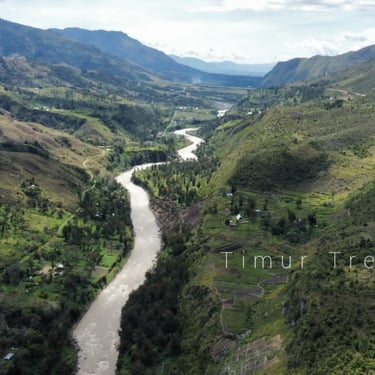
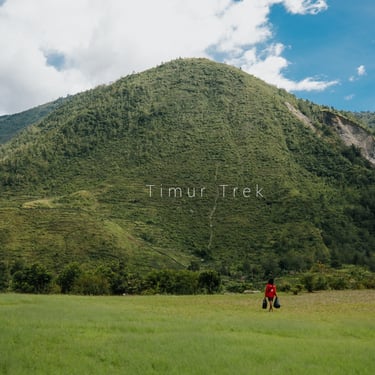
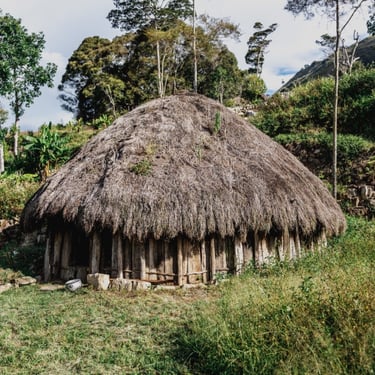
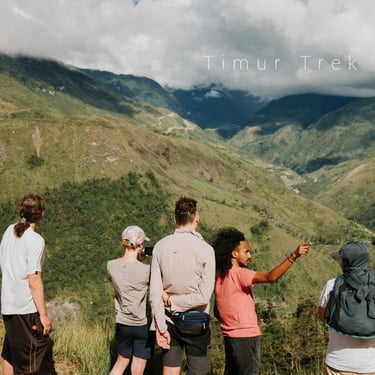
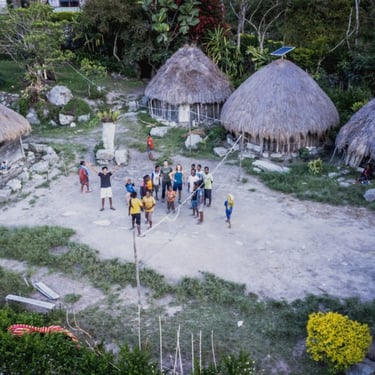
Baliem Valley (or Balim Valley) is a valley in the Jayawijaya Mountains and is also the location of the capital of Mountain Papua Province. Baliem Valley is located at an altitude of 1,600 meters above sea level surrounded by mountains with beautiful and unspoiled scenery. The temperature can reach 10-15 degrees Celsius at night.
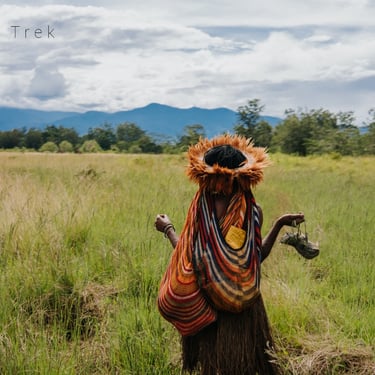
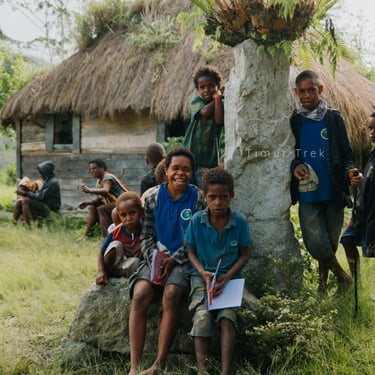
This valley is also known as the Grand Baliem Valley and is the residence of one tribe, the Dani tribe, although, after further research in the East and South, there are the Yali tribe, the Mek tribe, and the Nduga tribe. Through the Papuan Customary Council, the Wamena people themselves agreed that they consisted of the Hubula tribe in the Baliem Valley, the Walak tribe in the north, and the Dani tribe in the west (Lani tribe). Baliem Valley is about 80 kilometers long and about 20 kilometers wide and is located at an altitude of about 1,600-1,700 m, with a population of about 100,000 inhabitants.
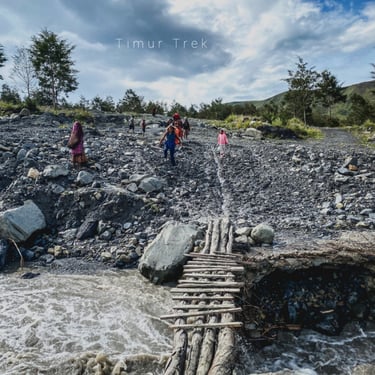
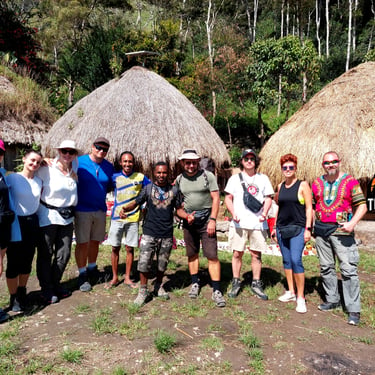
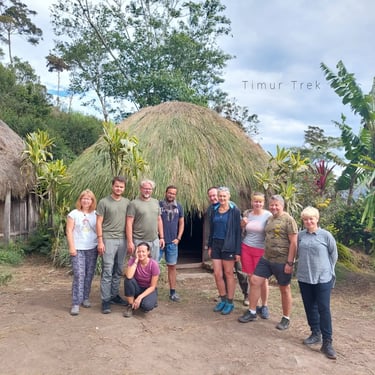
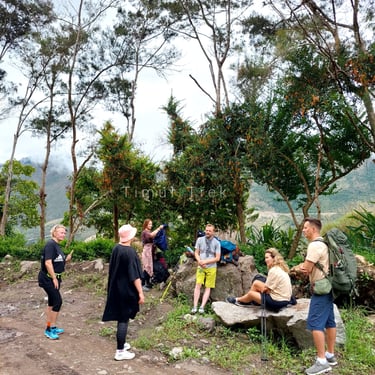
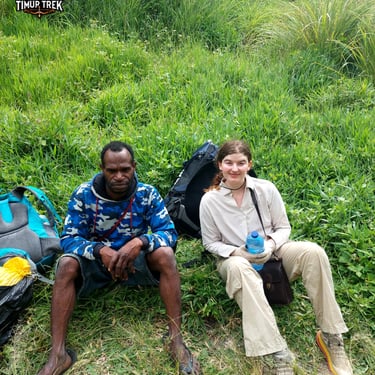
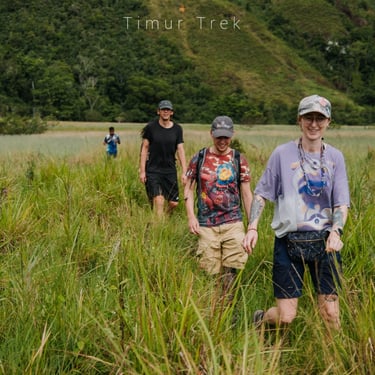
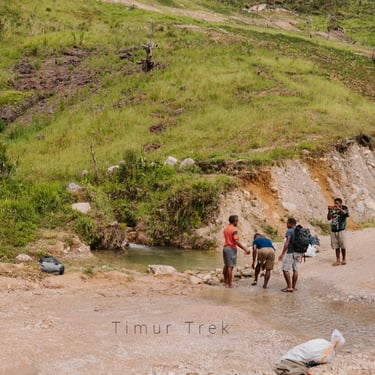
Baliem Valley is also an area that is very suitable as a trekking route. To get to Baliem Valley you have to take a flight to Papua (Jayapura) and continue the flight until Wamena. Here you are not only trekking but you will be amazed by the scenery and also the tribal culture that is still very original. You will also feel the sensation of sleeping in local inns, interacting with local people, seeing firsthand the daily life and activities of the community, and even you can feel the local food that exists. Our commitment is to provide tour packages where you can see the beauty of nature and also learn the existing tribal culture.
Our tour package Includes Tourguide, porter, cook, meals, transportation, local homestay every village, tourist enterence ticket!
We start from the hotel in Wamena by cars untill the starting point to trekking, the same things at the last day!
We offer tour packages with special interests, you can choose tour packages in the following list:
Trip Around Wamena
Trekking 2 days 1 night
Trekking 3 days 2 nights
Trekking 4 days 3 nights
Full trek trekking
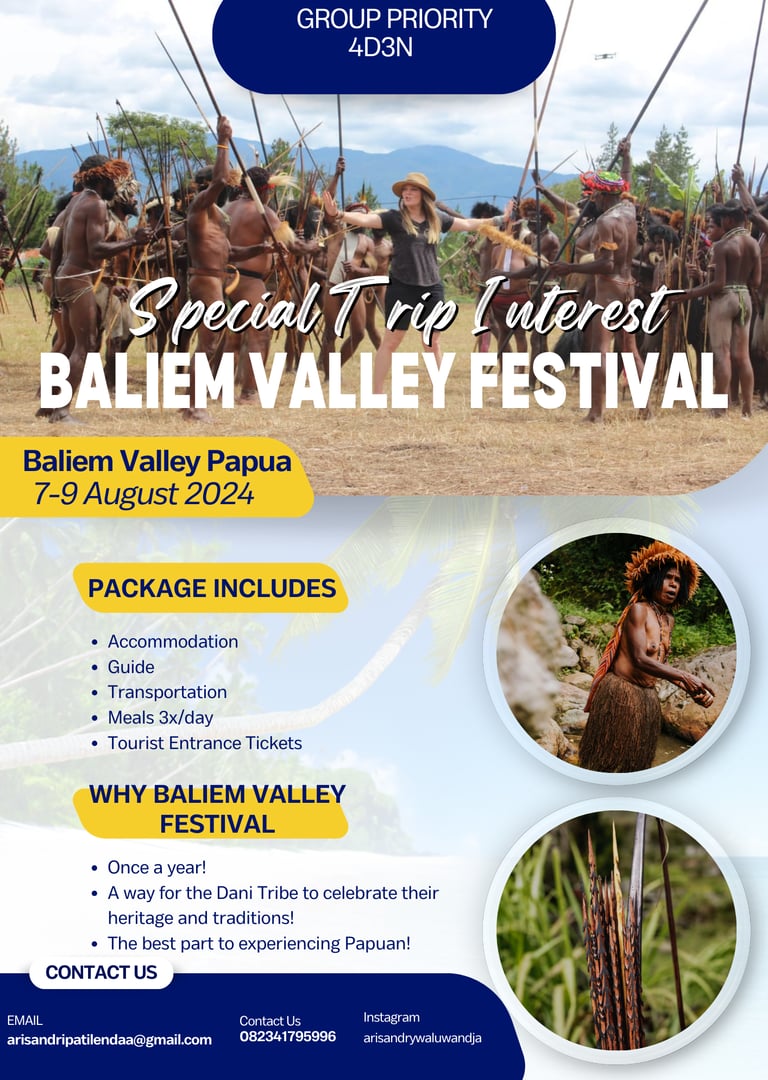
special interest (war dance, pig ceremony and other)
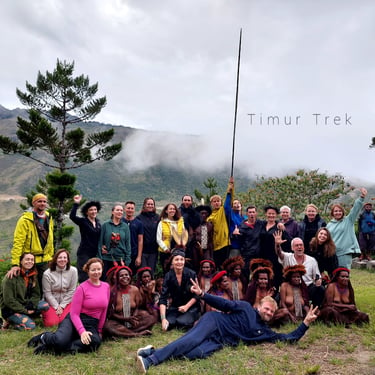
TREKKING GALLERY
Special Event